

Heart disease is often thought of as a condition that mainly affects men, but it is a leading health concern for women worldwide. Many women underestimate their risk, which can delay diagnosis and treatment. Understanding how heart disease presents differently in women is essential for prevention and early care.
Why Heart Disease Looks Different in Women
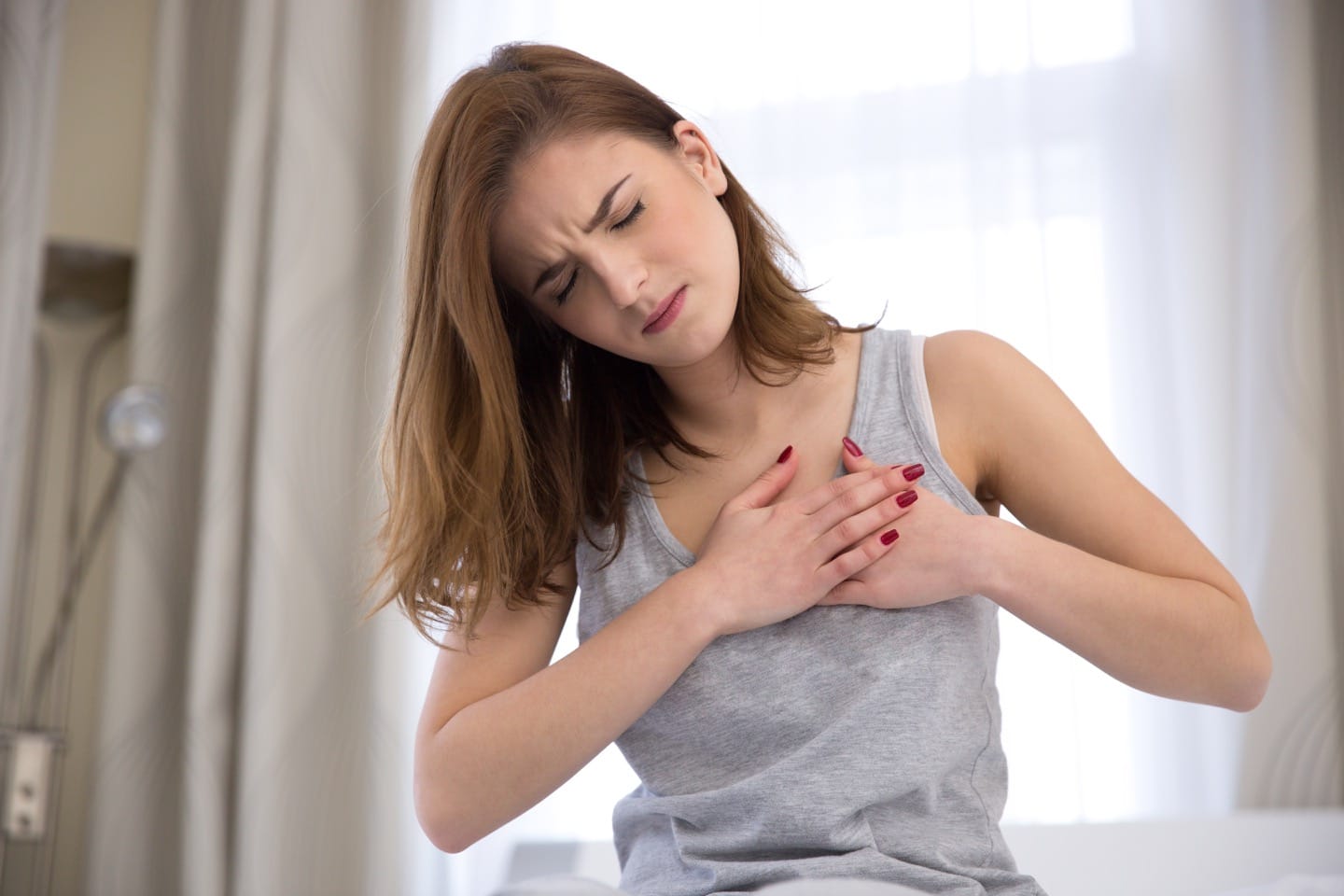
Women do not always experience the classic chest pain that people associate with heart attacks. Instead, symptoms may include shortness of breath, nausea, unusual fatigue, back pain, or discomfort in the jaw or neck. Because these signs can seem unrelated to the heart, they are sometimes dismissed or mistaken for other conditions.
Hormonal differences also play a role. Estrogen offers some protection during reproductive years, but the risk rises after menopause. This shift makes midlife an important time for women to pay close attention to cardiovascular health.
Unique Risk Factors Women Should Know
While common risk factors such as high blood pressure, high cholesterol, smoking, and obesity affect everyone, some risks are more specific to women.
Pregnancy-related conditions such as gestational diabetes, preeclampsia, and pregnancy-induced hypertension can increase long-term heart disease risk. Women who experience these issues should inform their healthcare providers even years later.
Autoimmune disorders, which are more common in women, are also linked to inflammation that can damage blood vessels. In addition, depression and chronic stress have a stronger association with heart problems in women compared to men.
The Role of Early Screening
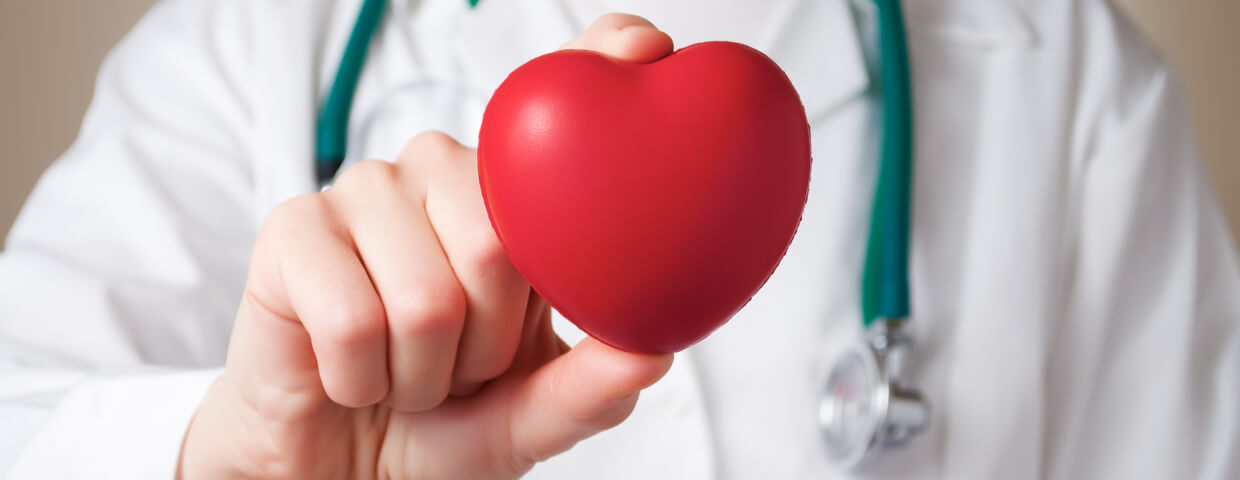
Regular checkups are vital. Keeping an eye on your cholesterol, blood sugar, and blood pressure numbers can help you find problems early. Doctors may also assess family history, lifestyle habits, and body weight to estimate overall risk.
Advanced diagnostic tools have improved detection. Imaging tests and specialized procedures used in interventional cardiology can identify blockages or abnormalities in the heart’s blood vessels before they lead to severe events. Early evaluation allows for more targeted treatment and better outcomes.
Prevention Strategies That Make a Difference
Everyday habits are the first step in prevention. Heart-healthy foods like fruits, veggies, whole grains, lean proteins, and healthy fats can help keep cholesterol and blood pressure in check. It’s also important to eat less processed foods, salt, and extra sugars.
Regular exercise makes the heart stronger and the blood flow better. Walking quickly for thirty minutes most days of the week can lower risk by a large amount. Working out also helps you control your weight and feel less stressed.
One of the best things a woman can do to protect her heart is to stop smoking. Smoking hurts blood vessels and makes heart attacks and strokes much more likely.
Stress management should not be overlooked. Practices such as meditation, deep breathing, or yoga can lower stress hormones that strain the heart. Adequate sleep also supports cardiovascular health.
When Medical Care Is Needed
Some women may require medications to control blood pressure, cholesterol, or diabetes. Following treatment plans and attending follow-up visits are essential. In certain cases, minimally invasive procedures from the field of interventional cardiology may be used to open blocked arteries and restore blood flow, reducing the risk of major complications.
Empowering Women Through Awareness
Education is a powerful tool. Organizations like the American Heart Association emphasize that women should learn their personal risk factors and recognize warning signs. Talking openly with healthcare providers about symptoms, lifestyle, and family history can lead to earlier action.
Heart disease in women is serious but often preventable. With awareness, regular screening, and healthy choices, women can greatly reduce their risk and maintain strong heart health throughout life.
